Los polímatas del Renacimiento y su impacto en el diseño moderno

El Renacimiento y el polímata

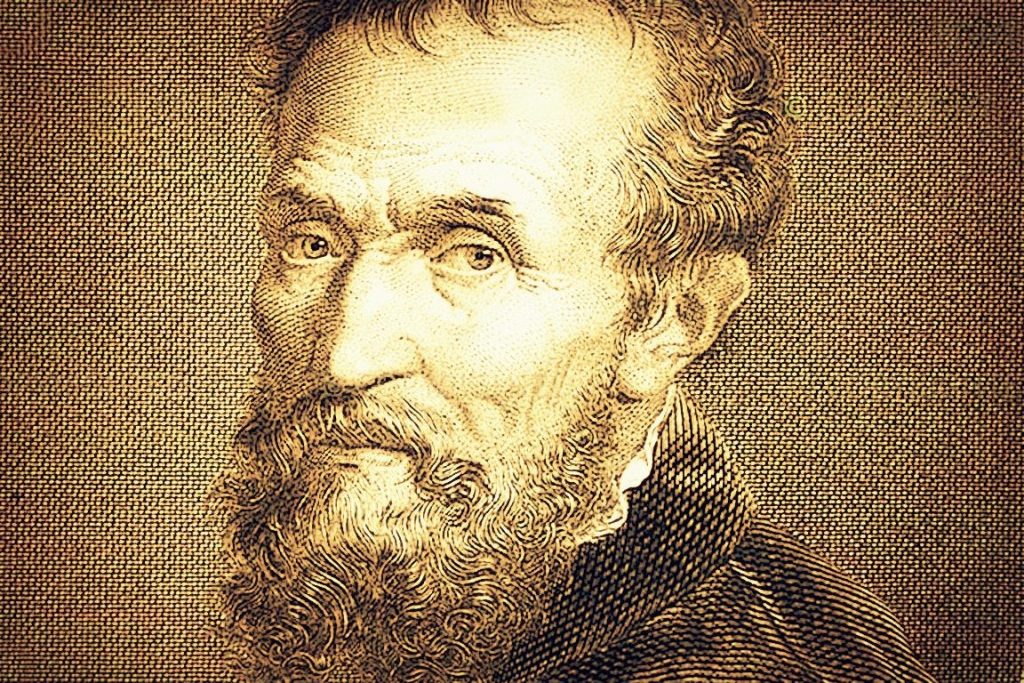
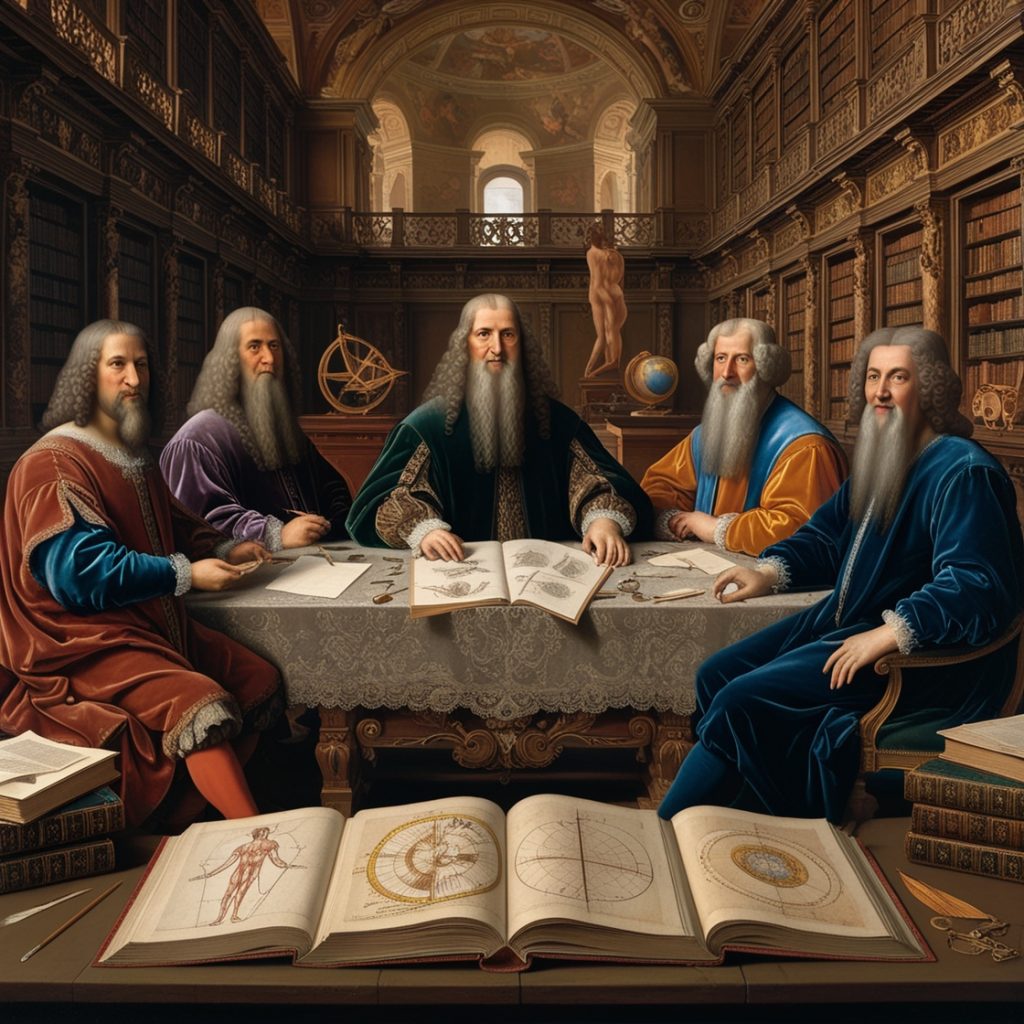
El Renacimiento, uno de los períodos más influyentes en la historia de la humanidad, se caracterizó por una explosión de conocimientos y avances en diversas disciplinas, desde el arte hasta la ciencia, la filosofía y la arquitectura. En el centro de este movimiento surgieron los polímatas, individuos que lograron destacarse en múltiples áreas del saber. Nombres como Leonardo da Vinci, Miguel Ángel y Filippo Brunelleschi se convirtieron en emblemas de esta era, encarnando un ideal de versatilidad y curiosidad insaciable.
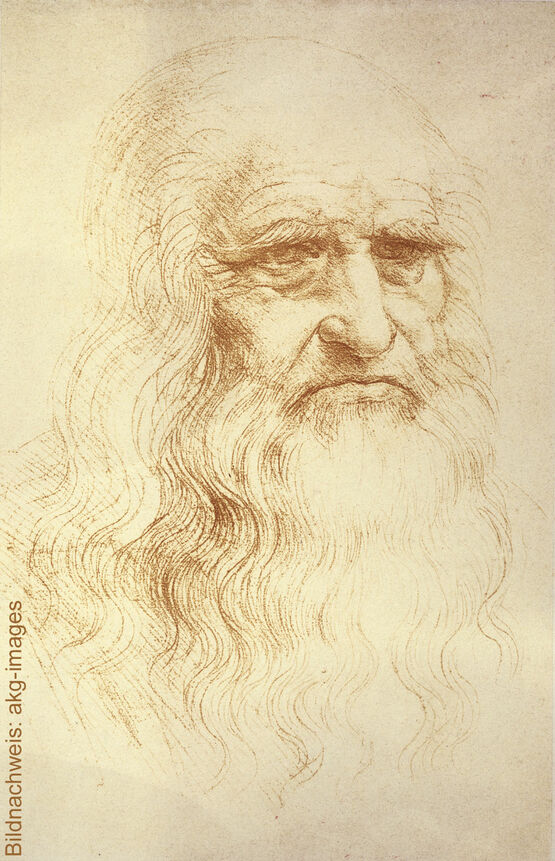
Exploremos cómo las figuras renacentistas polímatas no solo transformaron su propio tiempo, sino que su enfoque multidisciplinario sigue influyendo en el diseño y la tecnología modernos. Esta también es una invitación a examinar cómo la integración de múltiples disciplinas, una característica fundamental del Renacimiento, es esencial para la innovación contemporánea.

El polímata renacentista: Maestro de múltiples disciplinas

Durante el Renacimiento, el ideal del polímata u «hombre del Renacimiento» se basaba en la capacidad de una persona para sobresalir en múltiples campos del conocimiento. Este enfoque surgió en gran medida de la creencia de que todas las áreas del saber estaban interconectadas, y que comprender un área podía enriquecer la comprensión de otras.
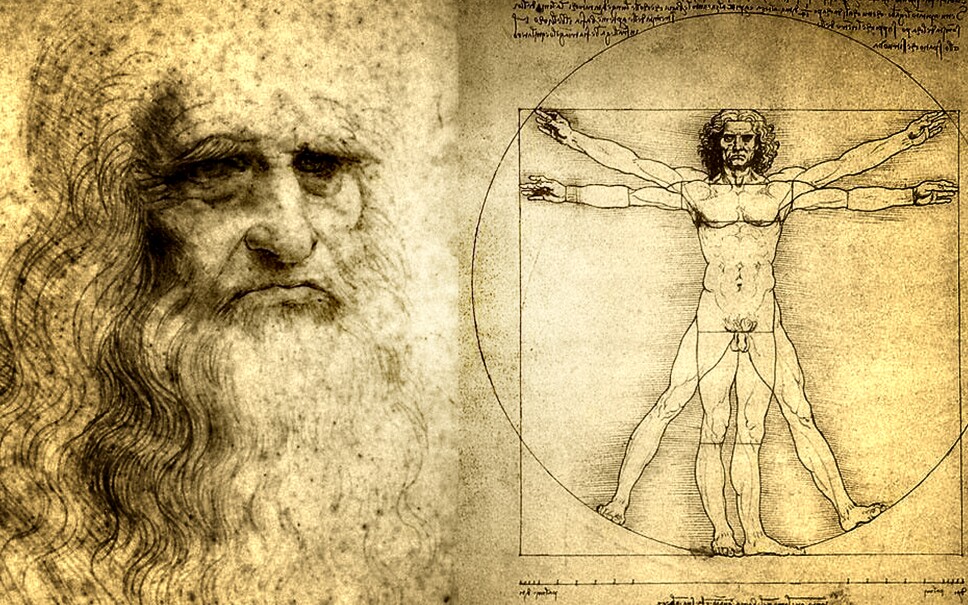
Leonardo da Vinci es el ejemplo más icónico de este fenómeno. Famoso por su arte, como La Mona Lisa y La Última Cena, también fue un brillante ingeniero, anatomista, inventor y científico. Da Vinci combinó su habilidad artística con un profundo conocimiento científico, lo que le permitió desarrollar avances técnicos y visuales que revolucionaron tanto el arte como la ingeniería. Sus estudios anatómicos no solo informaron su arte, sino que también anticiparon muchos desarrollos médicos y científicos.
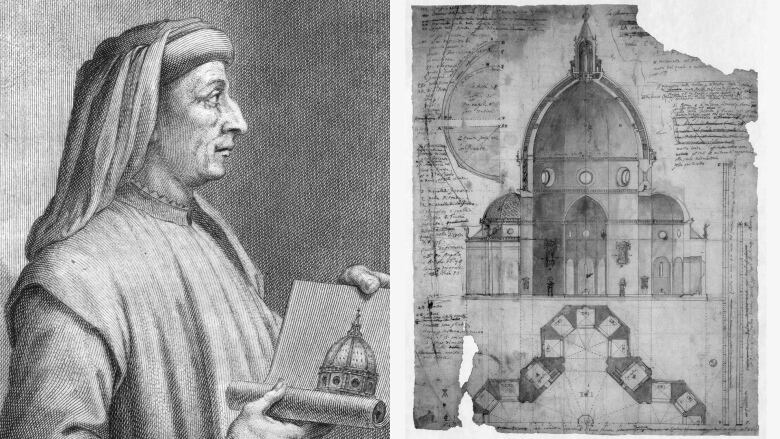
Otro ejemplo destacado es Filippo Brunelleschi, arquitecto e ingeniero que diseñó la cúpula de la Catedral de Florencia. Brunelleschi no solo fue un maestro en la arquitectura, sino que también revolucionó las técnicas de ingeniería al diseñar mecanismos complejos para la construcción de su obra maestra.
El legado de los polímatas en el diseño moderno

El enfoque multidisciplinario que caracterizó a los polímatas renacentistas sigue siendo relevante en el diseño moderno, en especial en el ámbito del design thinking y la innovación tecnológica. Hoy en día, los diseñadores e ingenieros recurren a múltiples disciplinas para desarrollar soluciones innovadoras que responden a problemas complejos. Este enfoque integrador, heredado del Renacimiento, es clave para conectar la estética, la funcionalidad y la tecnología.
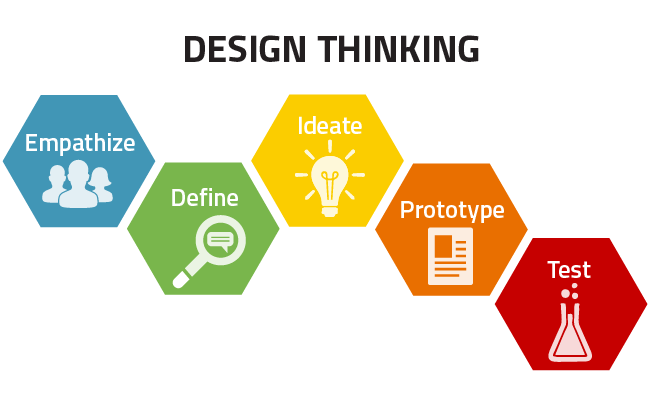
En la era moderna, figuras como Steve Jobs, cofundador de Apple, han hecho eco del ideal del polímata. Jobs, aunque no era un ingeniero en el sentido técnico, entendió profundamente cómo integrar la tecnología con el diseño, logrando que productos como el iPhone y la MacBook no solo fueran tecnológicamente avanzados, sino también estéticamente atractivos y fáciles de usar. La combinación de tecnología y diseño en estos productos sigue los principios multidisciplinarios que los polímatas del Renacimiento encarnaron.

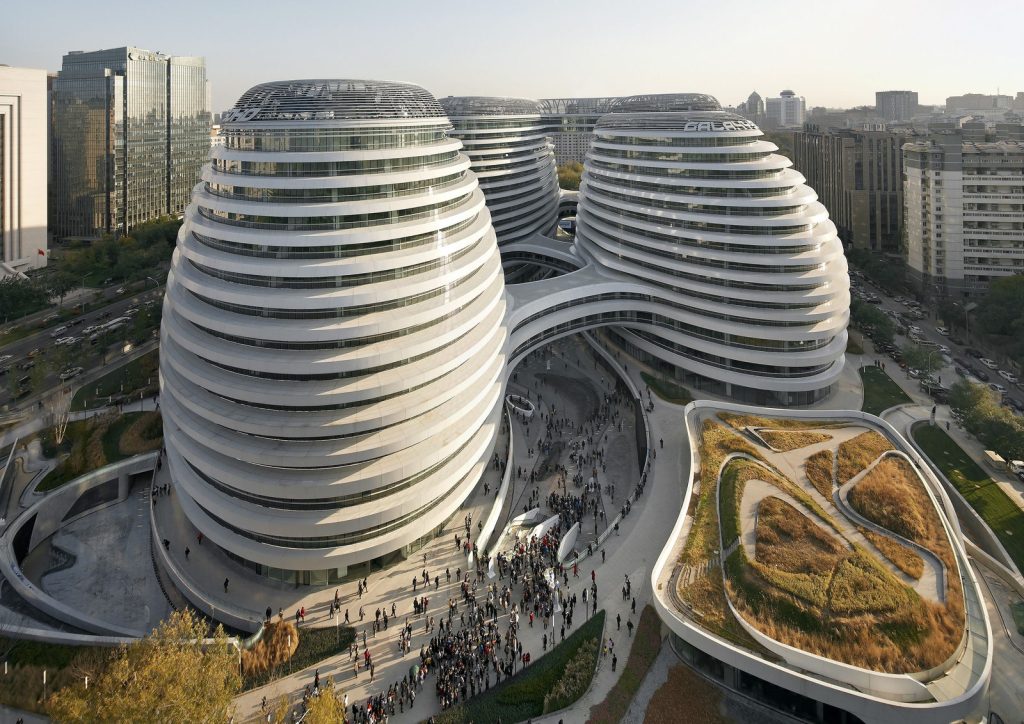
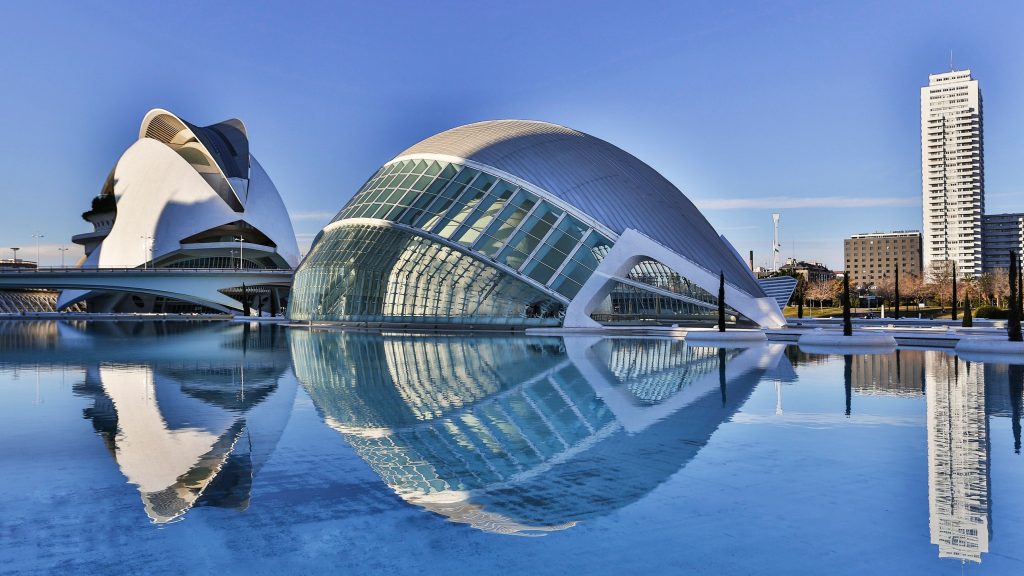
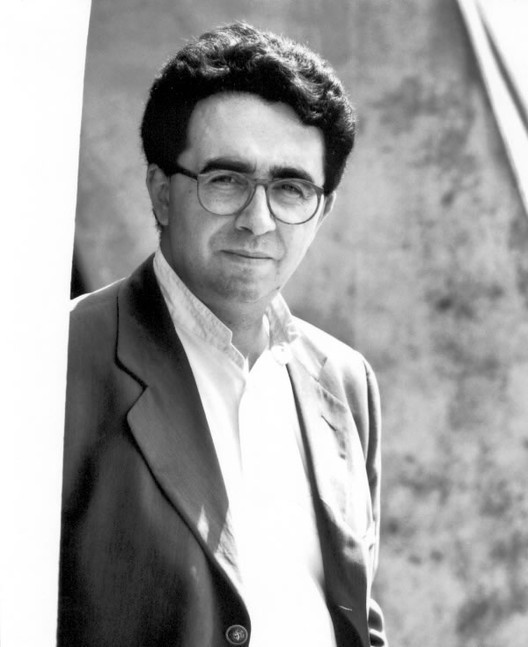
Además, el campo de la arquitectura moderna sigue siendo influenciado por figuras renacentistas como Brunelleschi. Los arquitectos contemporáneos, como Santiago Calatrava y Zaha Hadid, a menudo combinan ingeniería avanzada con un enfoque estético, creando edificios que desafían tanto las leyes físicas como las convenciones visuales. La obra de Calatrava, en particular, muestra una fascinación con la biomecánica y la forma natural, similar a los estudios anatómicos de Leonardo da Vinci, en los que el arte y la ciencia se funden.
Innovación multidisciplinaria: Del Renacimiento a la era digital

En el mundo de hoy, la innovación a menudo se encuentra en la intersección de diferentes disciplinas. Empresas tecnológicas, estudios de diseño y centros de investigación se dan cuenta de que los avances más revolucionarios ocurren cuando se combinan habilidades e ideas de campos aparentemente no relacionados.
Un ejemplo actual de este enfoque multidisciplinario es el campo de la bioingeniería, donde el arte, la biología, la tecnología y la ingeniería se unen para crear soluciones como prótesis avanzadas o materiales inteligentes inspirados en organismos vivos. En este sentido, los bioingenieros de hoy están emulando el enfoque de los polímatas renacentistas, quienes creían que para comprender y mejorar el mundo, debían dominar múltiples áreas del conocimiento.

Del mismo modo, el diseño UI/UX (interfaz de usuario y experiencia de usuario) combina psicología, arte visual, informática y marketing para crear plataformas digitales intuitivas y estéticamente agradables. Aquí, el diseñador no solo necesita comprender el comportamiento humano, sino también cómo interactúan los usuarios con las tecnologías emergentes, un enfoque que refleja el espíritu polímata del Renacimiento.

El futuro del diseño: La Importancia de los polímatas en la innovación

La influencia del enfoque multidisciplinario del Renacimiento se hace aún más evidente cuando se examina la creciente necesidad de profesionales que sean «polímatas» en la actualidad. En un mundo dominado por la especialización, ser capaz de cruzar fronteras entre disciplinas y combinar conocimientos en arte, ciencia y tecnología se ha vuelto crucial para la innovación.

Campos emergentes como la realidad aumentada (AR) y la inteligencia artificial (IA) requieren una comprensión profunda no solo de la programación y la ingeniería, sino también del diseño, la ética y la psicología. Aquellos que pueden pensar como polímatas, integrando varias áreas del conocimiento, están en la mejor posición para liderar la próxima ola de innovación.
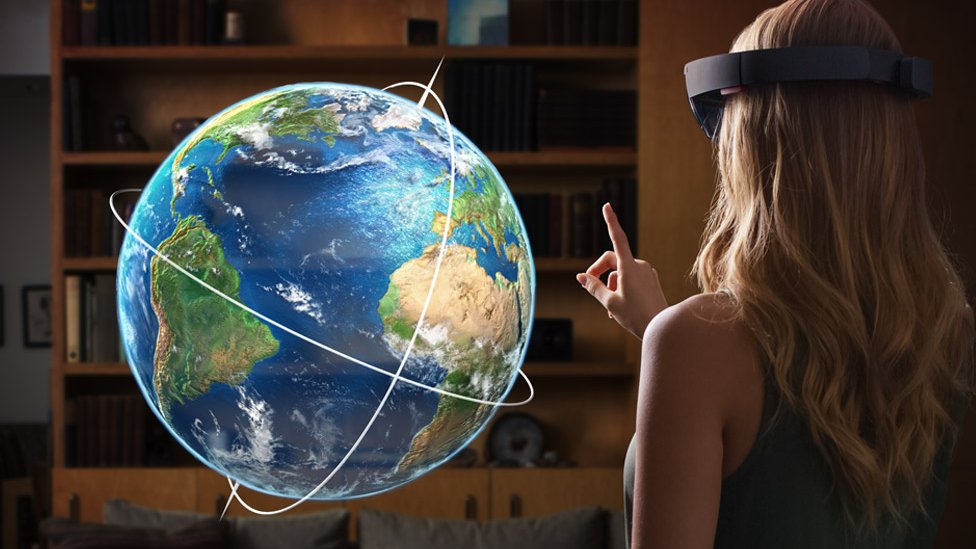
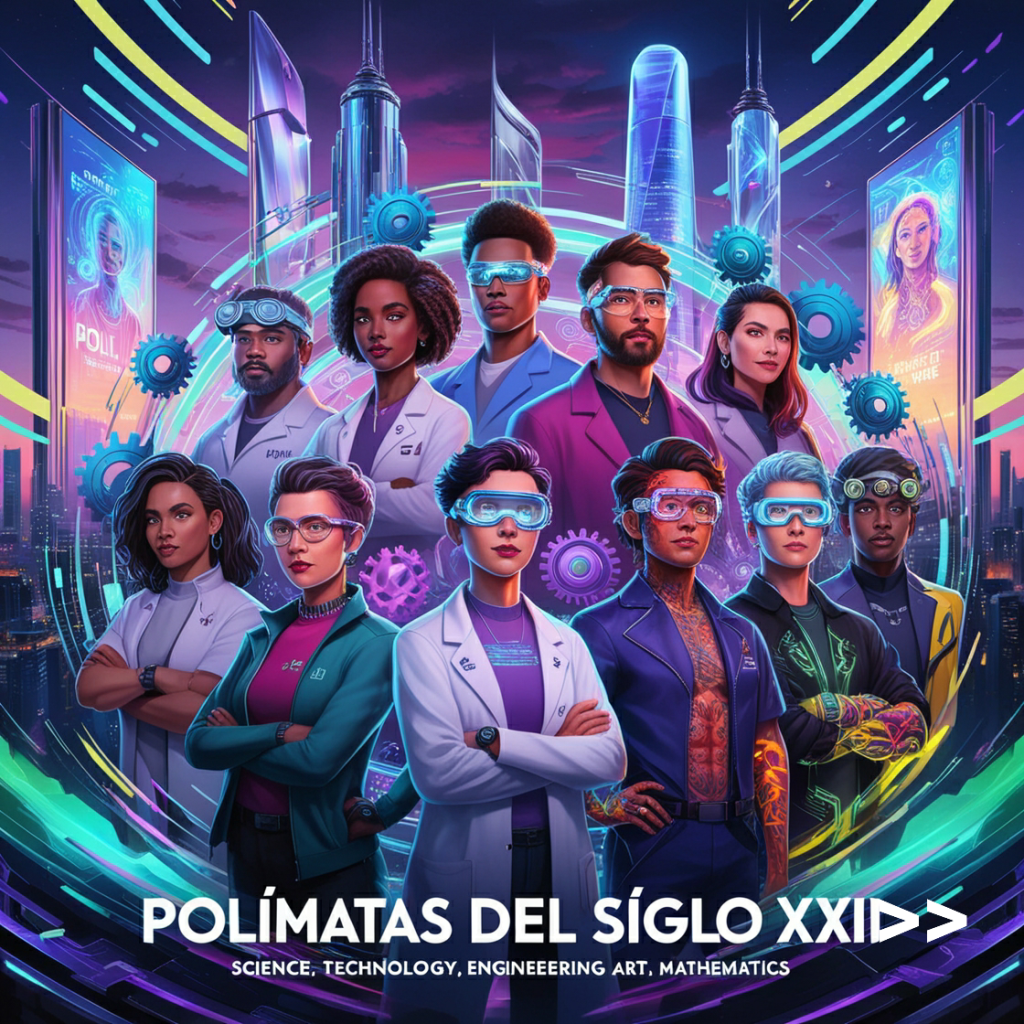
Además, el creciente interés en la educación STEAM (ciencia, tecnología, ingeniería, arte y matemáticas) refleja la necesidad de un enfoque multidisciplinario en el aprendizaje. Este modelo educativo busca formar a futuros «polímatas» capaces de innovar en una amplia gama de sectores, desde el diseño de productos hasta la ciencia y la tecnología.

Los polímatas y el diseño del futuro

Los polímatas del Renacimiento no solo definieron una era, sino que establecieron las bases para el enfoque multidisciplinario que define gran parte del diseño y la tecnología modernos. Figuras como Leonardo da Vinci y Filippo Brunelleschi no solo dominaron múltiples disciplinas, sino que también demostraron que las grandes innovaciones ocurren cuando el arte, la ciencia y la tecnología se encuentran.

Hoy en día, en un mundo cada vez más interconectado, el enfoque polímata sigue siendo crucial para la creación y la innovación. Los diseñadores, ingenieros y creadores de todas las disciplinas se inspiran en los polímatas renacentistas para abordar los problemas desde múltiples ángulos, combinando habilidades e ideas de diversas áreas. Al hacerlo, no solo continúan el legado de los grandes del Renacimiento, sino que también moldean el futuro del arte, la ciencia y el diseño.

Fuentes

  1. Capra, Fritjof. The Science of Leonardo: Inside the Mind of the Great Genius of the Renaissance (Doubleday, 2007) – Un análisis detallado de la visión de Leonardo da Vinci como científico, artista e ingeniero.
  2. Renaissance Thinkers: From Leonardo da Vinci to Michelangelo. Smithsonian Magazine (2021) – Un artículo que detalla el impacto de los pensadores renacentistas en el mundo moderno.
  3. Sennett, Richard. The Craftsman (Yale University Press, 2008) – Explora la relación entre la artesanía, el diseño y la tecnología, destacando las conexiones multidisciplinarias en el proceso creativo.


Comentarios

30 respuestas a «Los polímatas del Renacimiento y su impacto en el diseño moderno»

  1. I don’t even know how I finished up here, but I believed this put up was once
    great. I do not know who you’re but definitely you are going to a famous blogger when you are
    not already. Cheers!

    1. Avatar de Jorge Hernán Valencia Londoño
      Jorge Hernán Valencia Londoño

      Thank you so much for your comment and your good wishes. While some recognition wouldn’t be bad, what truly motivates me is the desire to learn and create all the time. I am this: https://youtube.com/@jorgevalencia-s2l?si=HZTAh-k0EQ2Tt8nm and I’m neither famous nor important, and probably not even loved, but my happiness lies in creating. I send you my best wishes; may the work you do make you the kind of person you need to be to achieve all your goals.

  2. I’m really impressed together with your writing abilities
    and also with the format in your weblog. Is that this a paid subject or did you customize it your self?
    Either way stay up the excellent quality writing, it’s rare to see a
    great blog like this one nowadays..

    1. Avatar de Jorge Hernán Valencia Londoño
      Jorge Hernán Valencia Londoño

      Thank you very much. The blog content aligns with my work and interests, so I write about topics I’m familiar with, making it quite easy. Regarding the blog’s theme or template, the only thing I pay for is hosting and the domain; for everything else, I prefer free tools or those I can build myself. I have some pages of pure code, and in the case of this editorial blog, which is on WordPress, it’s full of code that I’ve injected throughout. It’s important to know that even if you use frameworks like PrestaShop or WordPress, you’re not obligated to use paid tools like Elementor. You can work with free tools, inject code, and even create custom modules to install and use. In other words, while it’s not necessary to invest time creating a CRM from scratch, it’s still possible to create custom modules.

  3. Actually when someone doesn’t know after that its up to other users that they will help, so here it takes
    place.

  4. Nice post. I learn something new and challenging on blogs
    I stumbleupon everyday. It’s always useful to read content from other writers and use a
    little something from other websites.

  5. all the time i used to read smaller content which as
    well clear their motive, and that is also happening with this
    paragraph which I am reading now.

  6. I’m pretty pleased to find this site. I need to to thank you for
    ones time just for this fantastic read!! I definitely loved every bit of
    it and i also have you book marked to see new stuff on your blog.

    1. Avatar de Jorge Hernán Valencia Londoño
      Jorge Hernán Valencia Londoño

      I am very grateful to you for taking the time to comment and for your kind message.

  7. Greate pieces. Keep posting such kind of information on your site.
    Im really impressed by your site.
    Hello there, You’ve done a fantastic job.

    I will definitely digg it and in my view recommend
    to my friends. I am confident they will be benefited from this web site.

    1. Avatar de Jorge Hernán Valencia Londoño
      Jorge Hernán Valencia Londoño

      Thank you so much for your kind message.

  8. Hi Dear, are you actually visiting this web page on a
    regular basis, if so afterward you will without doubt get fastidious knowledge.

  9. Do you have a spam issue on this blog; I also am a blogger,
    and I was wanting to know your situation; many of us have
    developed some nice procedures and we are looking
    to exchange methods with other folks, be sure to shoot
    me an email if interested.

    1. Avatar de Jorge Hernán Valencia Londoño
      Jorge Hernán Valencia Londoño

      So far, I haven’t seen anything that I would identify as spam. Best of luck with your projects.

  10. As the admin of this web page is working, no question very soon it will be
    renowned, due to its feature contents.

  11. Hola! I’ve been reading your blog for a while now and finally
    got the courage to go ahead and give you a shout
    out from Atascocita Tx! Just wanted to tell you keep up the excellent
    job!

    1. Avatar de Jorge Hernán Valencia Londoño
      Jorge Hernán Valencia Londoño

      Thank you so much for your kind message.

  12. I’m no longer positive where you are getting your info,
    however good topic. I must spend a while learning much more or
    understanding more. Thank you for wonderful information I was in search of
    this info for my mission.

    1. Avatar de Jorge Hernán Valencia Londoño
      Jorge Hernán Valencia Londoño

      I studied law for a few semesters at the National University of Colombia, and visual arts for a few semesters at ASAB (Bogotá Higher Academy of Arts)… and I had an accident when I was young that left my brain a mess, so I spent most of my time alone in my room, suffering from migraines, studying and doing crafts. But most of my more recent knowledge comes from SENA, where I studied Software Analysis and Development and completed more than 50 diploma courses. If you’re interested, I’ll leave you links where you can find some of the sources I consulted, which might be useful for writing reports or essays.

      https://www.sena.edu.co/sites/bibliotecas/Paginas/repositorios.aspx

      https://repositorio.sena.edu.co/

  13. I blog quite often and I really thank you for your information. The article has really peaked my interest.
    I’m going to bookmark your site and keep checking
    for new information about once per week. I subscribed to
    your RSS feed as well.

    1. Avatar de Jorge Hernán Valencia Londoño
      Jorge Hernán Valencia Londoño

      Thank you so much for your kind message.

  14. Hmm it looks like your blog ate my first comment (it was extremely long) so I guess I’ll just
    sum it up what I wrote and say, I’m thoroughly
    enjoying your blog. I as well am an aspiring blog blogger but I’m
    still new to everything. Do you have any helpful hints
    for inexperienced blog writers? I’d genuinely appreciate it.

  15. Greetings, I do think your website could be having
    web browser compatibility problems. When I look at your site in Safari, it looks fine however, if opening in I.E., it’s got some overlapping issues.
    I simply wanted to give you a quick heads up!
    Aside from that, fantastic blog!

  16. It’s going to be end of mine day, but before ending I am
    reading this impressive piece of writing to improve my experience.

  17. It’s a pity you don’t have a donate button! I’d certainly donate to this brilliant blog!

    I guess for now i’ll settle for bookmarking and adding your RSS
    feed to my Google account. I look forward to fresh
    updates and will share this website with my Facebook group.
    Chat soon!

  18. Please let me know if you’re looking for a author
    for your weblog. You have some really good posts and I believe
    I would be a good asset. If you ever want to take some of the load off, I’d love to write some material for your blog in exchange for a link back to mine.
    Please send me an email if interested. Many thanks!

  19. Hi there, I found your blog by way of Google while looking
    for a comparable topic, your web site got here up, it
    appears to be like great. I’ve bookmarked it in my google bookmarks.

    Hello there, simply became aware of your blog via Google, and
    found that it is truly informative. I am gonna watch out for brussels.
    I’ll appreciate if you happen to continue this in future.
    A lot of people will probably be benefited out of your writing.
    Cheers!

  20. It’s a shame you don’t have a donate button! I’d most certainly donate to this
    outstanding blog! I suppose for now i’ll settle for book-marking and adding
    your RSS feed to my Google account. I look forward to brand new updates and will share this website with my Facebook group.
    Talk soon!

  21. Pretty nice post. I just stumbled upon your weblog and wished to mention that
    I’ve really enjoyed browsing your blog posts.

    In any case I’ll be subscribing in your rss feed and I’m
    hoping you write again very soon!

  22. I’ll right away take hold of your rss feed as I can not to find your
    e-mail subscription hyperlink or e-newsletter service.
    Do you have any? Please let me understand so that I could subscribe.
    Thanks.

Deja una respuesta

Tu dirección de correo electrónico no será publicada. Los campos obligatorios están marcados con *